Most designers work hard. I work smart. That’s not me being arrogant — that’s me being honest about what happened when I started building my AI toolkit. Tasks that used to eat up half my day now take minutes. Creative blocks that used to stop me in my tracks barely exist anymore. And the quality of my work? Better than ever. If you’re a graphic designer still on the fence about AI tools, this post is for you. Here are the 7 tools I use every single day — what they do, why I love them, and how they fit into my workflow. Freepik — No More Blank Canvas Let’s start with the one that changed how I begin every project. Freepik has always been a go-to for designers needing stock images, vectors, and mockups. But since they introduced AI-powered generation, it’s become something else entirely — a creative starting point that never runs dry. Instead of staring at a blank artboard wondering where to begin, I now open Freepik, describe what I need, and get a visual reference or asset in seconds. Whether it’s a background texture, a product mockup, or an illustration style to match a client’s brand, Freepik gets me unstuck fast. Why it works for me: It bridges the gap between “I have an idea” and “I have something on screen.” That momentum is everything in a creative workflow. 2. Canva — Speed Without Sacrificing Quality I know what some of you are thinking. “Canva is for non-designers.” And sure, it started that way. But the AI features Canva has added over the past couple of years have made it genuinely powerful — even for professionals. Magic Design generates layout options from a single prompt. The AI background remover is cleaner and faster than doing it manually in Photoshop for quick jobs. Magic Write helps me draft text content directly inside the design. And the Brand Kit keeps everything consistent across client deliverables without me having to think about it. For social media content, presentations, and fast-turnaround client work, Canva is unbeatable. It’s not replacing my Illustrator or Photoshop skills — it’s handling the repetitive, time-sensitive stuff so I can focus my energy where it actually matters. Why it works for me: When a client needs something “by end of day,” Canva makes that possible without the panic. 3. CapCut — Motion Content Without the Learning Curve Video is no longer optional for designers. Clients want reels, stories, animations, and short-form content — and they want them fast. CapCut solved that problem for me. The auto-caption feature alone saves me hours every month. AI B-roll suggestions mean I’m not scrambling for footage. Smart cuts analyse the audio and video to suggest edit points that actually make sense. And the interface is clean enough that I’m not losing time to a steep learning curve. I’m not a video editor by trade. But CapCut makes me look like one — and that’s expanded the kind of work I can offer clients significantly. Why it works for me: It turns motion content from a weakness into a genuine offering, without requiring me to become a full-time video editor. 4. Google NotebookLM — My AI Research Brain This one might surprise you, but Google NotebookLM has become one of the most valuable tools in my entire stack. Before I start any project, there’s a research phase — understanding the client’s industry, their competitors, their audience, their tone of voice. That used to mean hours of reading, taking notes, and trying to connect ideas. Now I dump all of that material — briefs, articles, websites, reference documents — into NotebookLM, and it synthesises it for me. It surfaces connections I might have missed. It answers my questions about the material. It helps me understand a new industry quickly so I can design with confidence and context, not just aesthetics. Why it works for me: Good design is informed design. NotebookLM makes sure I understand the brief deeply before I touch a single tool. 5. Gemini — Google’s Ecosystem, Supercharged If you’re already living inside Google’s ecosystem — Docs, Slides, Drive, Gmail — Gemini fits in seamlessly. I use Gemini for drafting copy directly inside Google Docs, for summarising research, for refining presentation content in Slides, and for quick contextual searches that go beyond what a standard Google search gives me. The ability to stay inside the tools I’m already using, without switching to a separate AI tab, keeps my focus intact. It’s also genuinely useful for visual concept generation when I’m planning a direction and need to articulate it clearly to a client or collaborator. Why it works for me: It removes friction. The best AI tool is the one you’ll actually use — and Gemini is right where I already am. 6. ChatGPT — My Writing Partner Design is visual, but a huge part of my job involves words. Taglines. Brand stories. Client proposals. Social media captions. Alt text. Creative briefs. The list goes on. ChatGPT handles all of that. I use it to brainstorm creative directions when I’m stuck, to write copy that complements the design, to draft client-facing emails in a professional tone, and to generate multiple headline options so I can pick the one that feels right. It doesn’t replace my creative judgement — it feeds it. Having a tool that can rapidly generate ten different ways to say something means I spend less time wrestling with words and more time doing what I’m actually good at. Why it works for me: It keeps me in design mode. The writing gets done; the designing gets done better. 7. Claude — Deep Thinking for Complex Problems Claude is the tool I reach for when things get complicated. Not every brief is straightforward. Some projects require real strategic thinking — understanding a brand’s positioning, working through a complex content structure, refining a concept that isn’t quite landing, or writing a detailed creative brief that will guide a whole
Motion Graphic Video Production Process
Creating a successful motion graphic video is a collaborative process. This video details the steps I take, working closely with my clients, to ensure their message is communicated effectively. I’m excited to share this video I created for the WRO Organization in Kurdistan, Iraq. It’s for their Digital Safety Campaign, a cause I’m passionate about, and aims to empower individuals to navigate the digital world safely. 1. CONCEPT UNDERSTANDING AND BRIEFING: This initial phase involves a thorough discussion with the client to understand their vision, goals, target audience, and key message. We delve into the specifics of what they want to achieve with the video, including the desired tone, style, and any existing brand guidelines. This step is crucial for setting the foundation for a successful project. 2. SCRIPTWRITING AND CLIENT APPROVAL: Based on the initial briefing, I develop a script that effectively communicates the client’s message. This script outlines the narrative, dialogue (if any), and overall flow of the video. It’s then presented to the client for review, feedback, and approval. Revisions are made as necessary until the client is completely satisfied with the script. 3. VOICEOVER RECORDING Once the script is approved, it’s sent to a professional voiceover artist. I work closely with the voiceover artist to ensure they understand the tone and style required for the video. They record the narration, which is then reviewed and approved by both myself and the client. This ensures the voiceover perfectly complements the script and visuals. 4. ILLUSTRATION DESIGN Using Adobe Illustrator, I create all the necessary illustrations for the video. This includes characters, backgrounds, objects, and any other visual elements. The style of the illustrations is carefully considered to match the overall tone and brand guidelines of the client. These illustrations are designed to be easily animated in the next. 5. DIGITAL STORYBOARD CREATION Based on the approved script and paper storyboards, I create detailed digital storyboards. These digital storyboards provide a frame-by-frame representation of the video, showing how the illustrations will be used and how the animation will flow. This stage ensures that the visuals align perfectly with the voiceover and narrative. The client reviews and approves these digital storyboards before the animation process begins. 6. ANIMATION IN AFTER EFFECTS: With the approved digital storyboards and voiceover track, I begin the animation process in Adobe After Effects. This involves bringing the illustrations to life, animating them in sync with the voiceover, and adding any necessary visual effects. This step requires careful attention to timing, pacing, and visual details to create a dynamic and engaging final. 7. SOUND DESIGN AND MUSIC I add sound effects, background music, or other audio elements to enhance the video. This step helps to create a more immersive and impactful experience for the viewer. 8. REVIEW AND REVISIONS: Once the animation is complete, the video is reviewed by both myself and the client. Any necessary revisions are made until the client is completely satisfied with the final product. 9. FINAL DELIVERY: The final video is delivered to the client in the desired format and resolution. This may include various file types for different platforms or uses.
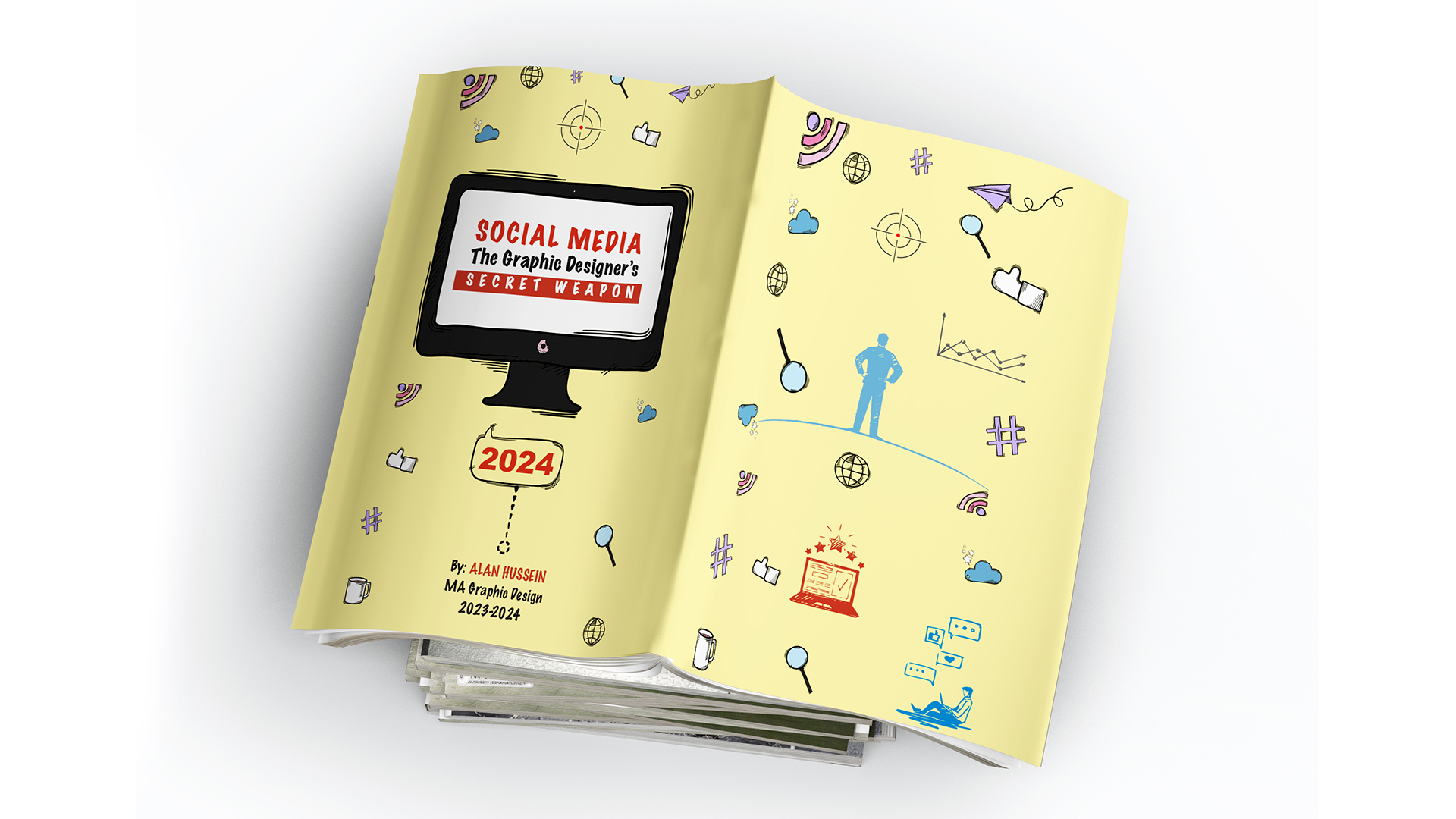
Social Media: The Graphic Designer’s Secret Weapon (Master’s Publication)
When I started my MA in Graphic Design at Leeds Arts University, I knew I wanted to explore something that was both relevant to the field and personally interesting to me. Social media has always been a big part of my life, both professionally and personally, and I was curious to understand its impact on the design world. My thesis, “SOCIAL MEDIA: The Graphic Designer’s Secret Weapon,” is the result of that exploration. It’s not just an academic paper; it’s a reflection of my own journey as a designer and my growing understanding of the digital landscape. This project wasn’t just about fulfilling a degree requirement; it was about understanding how the very tools we use to connect and share can be harnessed to elevate the practice of graphic design. From building a personal brand to finding inspiration and connecting with clients, social media has become an undeniable force in the design world. This exploration led me down some fascinating paths, and I’ve organized my findings to help other designers navigate this complex landscape. Here’s a glimpse into what my thesis covers: Before we start: Setting the stage for understanding the power of social media for graphic designers. Let’s dive in! Introduction: Why is social media so vital for today’s graphic designers? The importance of social media for graphic designers: More than just a portfolio platform, social media offers graphic designers a wealth of opportunities. How social media can be used to promote your work and attract new clients: Turn your social media presence into a client-attracting machine. 10 TIPS on how to use social media to promote your graphic design portfolio: Ten actionable tips to elevate your graphic design portfolio on social media. Get ready to boost your visibility! Creating a Strong Social Media Presence: Building a strong social media presence is key. It’s more than just posting; it’s about crafting a brand. Developing a consistent brand identity across all social media platforms: Consistency is crucial. Learn how to maintain a unified brand identity across all your social media channels. Using high-quality images and videos to showcase your work: Visuals speak volumes. Discover the importance of high-quality images and videos in showcasing your design work. Writing compelling captions that capture attention and encourage engagement: Captions matter. Learn how to write compelling copy that grabs attention and sparks conversations. Optimizing your social media profiles for search engines: Get found! Optimize your social media profiles for search engines and increase your visibility. The best SOCIAL MEDIA platforms popular for the graphic designer: Which platforms are right for you? Explore the best social media channels for graphic designers. The rise of SOCIAL MEDIA: A brief look at the evolution of social media and its impact on the design world. Social Media Mistakes to Avoid as a Graphic Designer: Steer clear of these common social media mistakes that can hurt your graphic design career. References: Further reading and resources for exploring the world of social media for graphic designers. The full publication is here: https://drive.google.com/file/d/1Bue9UKmA0yzeQedVSDVaWHgSwBaA0rvG/view?usp=drive_link Now I will put the sketchbook of this project: Here you can find the full document:https://drive.google.com/file/d/1ZaG3WeCM7kT–6JGHW28aID7IQmSnQmw/view?usp=drive_link

The Role of Branding for Resource-Rich Companies
In today’s competitive landscape, even companies with abundant resources need a strong brand to thrive. Branding is not merely about a logo or a catchy slogan; it’s a comprehensive strategy that shapes how a company is perceived by its stakeholders, including customers, employees, investors, and the public. For resource-rich companies, effective branding can unlock numerous benefits and drive sustainable growth. A well-thought-out branding strategy not only enhances visibility but also establishes a meaningful connection with audiences. It is crucial for creating a brand narrative that resonates with consumers and differentiates the company in a crowded marketplace. Differentiation and Market Leadership Branding encompasses various elements, including brand identity, brand image, and customer perception. Brand identity refers to how a company wants to be perceived, while brand image is how it is actually viewed by the public. Customer perception is influenced by every interaction a consumer has with the brand, from advertising to customer service. Understanding these components is essential for resource-rich companies aiming to create a cohesive and compelling brand story. Furthermore, successful branding allows resource-rich companies to command higher prices and achieve greater market share. For example, consumer goods brands like Nike and Coca-Cola have established a strong brand presence that enables them to maintain a leading position in the market, despite competition from lower-cost alternatives. This differentiation through branding is a strategic advantage in resource-intensive industries. Understanding Branding Moreover, trust built through branding can translate into customer loyalty and long-term relationships. When consumers believe in a brand’s integrity, they are more likely to make repeat purchases and recommend the brand to others. This is why companies invest heavily in branding efforts that emphasize their core values and commitment to quality. Differentiation and Market Leadership Resource-rich companies often operate in industries with intense competition. A well-crafted brand helps differentiate a company from its rivals, even if their products or services are similar. By highlighting unique values, expertise, or a commitment to innovation, a strong brand can establish a company as a market leader and attract customers who resonate with its identity. For instance, consider how Apple differentiates itself through its emphasis on design and user experience. This branding strategy not only sets Apple apart from competitors but also cultivates a loyal customer base that is willing to pay a premium for its products. Furthermore, resource-rich companies that prioritize their employer brand can create a positive feedback loop. Talented employees become brand ambassadors, promoting the company’s image externally and enhancing its reputation. This organic promotion is invaluable in attracting further talent and building a strong, cohesive workforce. Building Trust and Credibility Moreover, customer loyalty strengthens brand resilience. In times of crisis or competition, loyal customers are more likely to stick with the brand, providing a buffer against market fluctuations. Companies that actively nurture their customer relationships through effective branding strategies can weather storms that less connected brands may not withstand. Companies with vast resources are often under greater scrutiny from the public and regulatory bodies. A strong brand can help build trust and credibility by demonstrating transparency, ethical practices, and a commitment to social responsibility. This is particularly crucial for companies in sectors like energy, mining, or finance, where public perception can significantly impact their operations. For instance, companies like Patagonia have built their brand around environmental sustainability, which not only fosters consumer trust but also attracts customers who value ethical practices. By aligning their brand with social and environmental responsibilities, these companies enhance their overall reputation and mitigate potential backlash. Companies with vast resources are often under greater scrutiny from the public and regulatory bodies. A strong brand can help build trust and credibility by demonstrating transparency, ethical practices, and a commitment to social responsibility. This is particularly crucial for companies in sectors like energy, mining, or finance, where public perception can significantly impact their operations. Additionally, a strong brand can contribute to a company’s valuation during mergers and acquisitions. Buyers often pay a premium for companies with established brands, recognizing the inherent value that comes from customer loyalty and market positioning. This factor underscores the importance of branding as a strategic asset for resource-rich companies aiming for sustainable growth and expansion. Moreover, companies that have invested in brand equity prior to a crisis often find it easier to recover post-crisis, as their established reputation can act as a cushion. This illustrates the proactive nature of brand strategy in risk management—ensuring that the company has a solid foundation to build upon, regardless of external pressures. Attracting and Retaining Talent As the business landscape continues to evolve, companies must remain agile and responsive to changes in consumer behavior, market trends, and technological advancements. This adaptability can be facilitated through strong branding, enabling resource-rich companies to stay ahead of the competition and maintain relevance in their industries. Continuous engagement with customers and stakeholders, along with a commitment to innovation and ethical practices, will further strengthen their brand and position in the market. Resources:Source 1Source 2Source 3Source 4Source 5 Resource-rich companies often require a highly skilled workforce. A strong employer brand can help attract and retain top talent by showcasing a positive work culture, opportunities for growth, and a sense of purpose. This is essential for driving innovation and maintaining a competitive edge. Companies like Google exemplify this by promoting their work environment and employee benefits, showcasing how they invest in their people. Such branding not only attracts applicants but also enhances employee satisfaction and retention rates. Resource-rich companies often require a highly skilled workforce. A strong employer brand can help attract and retain top talent by showcasing a positive work culture, opportunities for growth, and a sense of purpose. This is essential for driving innovation and maintaining a competitive edge. Driving Customer Loyalty While resource-rich companies may have a large customer base, building customer loyalty is crucial for long-term success. A strong brand can foster emotional connections with customers, making them feel valued and understood. This can
What Is Branding and Why Is It Important for Your Business?
Cambridge Dictionary defines branding as “the act of giving a company a particular design or symbol in order to advertise its products and services.” Not so long ago, this was a pretty accurate description of branding – at least, what the general consensus was at the time. Branding was (and still is) misunderstood by being reduced to its aesthetic component: visual identity. For many, whether specialists or not, branding is still just about the visual identity – name, logo, design, packaging, etc. Even more so, while the concept of branding and its understanding have evolved enormously over the years, the same old vision of branding is being preached, even by high-level marketers.

Branding vs. Marketing: A Clear Distinction
Branding and marketing are often used interchangeably, but they represent distinct concepts within the realm of business. Understanding the difference is crucial for building a successful brand and achieving marketing goals. Branding is the foundation of a company’s identity. It encompasses the core values, mission, and personality that differentiate a business from its competitors. Branding is about creating a unique and compelling story that resonates with the target audience. It involves crafting a visual identity, including logos, colors, and typography, as well as defining the brand voice and messaging. Branding is a long-term strategy that aims to build trust, loyalty, and emotional connections with customers. Marketing, on the other hand, is the tactical execution of strategies to promote a product or service and achieve specific business objectives. It involves various activities such as advertising, public relations, social media marketing, content marketing, and sales promotions. Marketing focuses on attracting new customers, generating leads, and driving sales. It is a short-term, results-oriented approach that aims to achieve measurable outcomes.